







Machine translation. This content was automatically translated from Spanish. The Spanish version is the only official one: for all legal purposes, and in the event of any discrepancy, the original Spanish text prevails. View the official Spanish version

Crafts

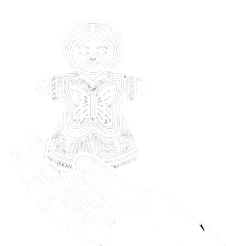
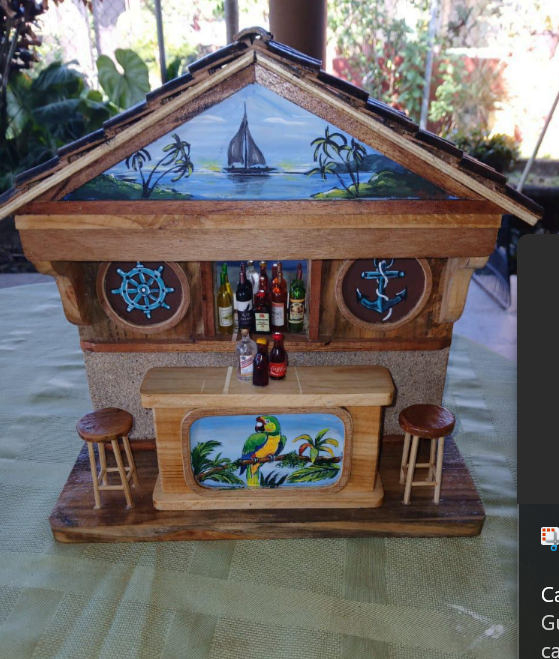
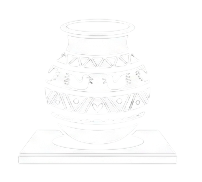
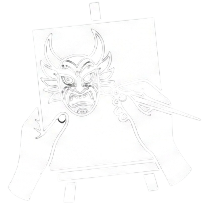
The crafts in Panama are part of the crafts and consist of the production of decorative and useful objects made by hand using different materials such as paper, fabric, cardboard, seeds and wood, among other things. That activity is characterized by creativity and manual work, where each piece is unique and reflects the imagination of the artisan. In the Panamanian context, the crafts have a useful or decorative value but also cultural, as many of them represent traditions, customs and elements characteristic of national identity.

IMPORTANCE

The importance of manufacturing in Panama lies with its cultural and social value, as they allow them to preserve and transmit traditions from generation to generation. Through these creations, creativity, especially in children and youth, and strengthening the cultural identity of the country are encouraged. Moreover, at economic level, manufacturing represents a source of income for many people, especially in rural communities, where they are sold at fairs, markets and tourist sites and are appreciated for their artisan production and their cultural significance.

Origin and History

The origin of the crafts in Panama relates to the traditional practices of indigenous and peasant peoples, who used the resources available in their environment to create objects necessary for daily life and decorative elements. Over time, these practices evolved with new materials and techniques but while maintaining their artisan essence. Thus, the crafts have remained an important activity within Panamanian culture.

Region where it stands out the most

In Panama, crafts are highlighted in different regions of the country where artisan traditions are held alive. In indigenous communities, decorative objects are made using natural materials such as seeds, fibre and cuts, while in rural and urban areas manufacturing with paper, fabric and recycled materials are developed, especially at school celebrations and cultural events. They reflect the creativity of the population and contribute to keeping the artisan tradition alive throughout the country.

Other items you might be interested in

Pottery and ceramics

Plastic Arts

Consumer Art

Cosmetics

leather

LIVE

You can watch the fair from your screen on any device from our official Youtube channel

Many thanks to our sponsors.

These brands and companies make our project possible. Your support is the engine that drives us to keep growing.