







Pottery and ceramics
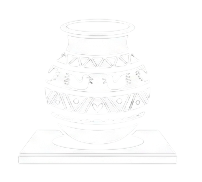
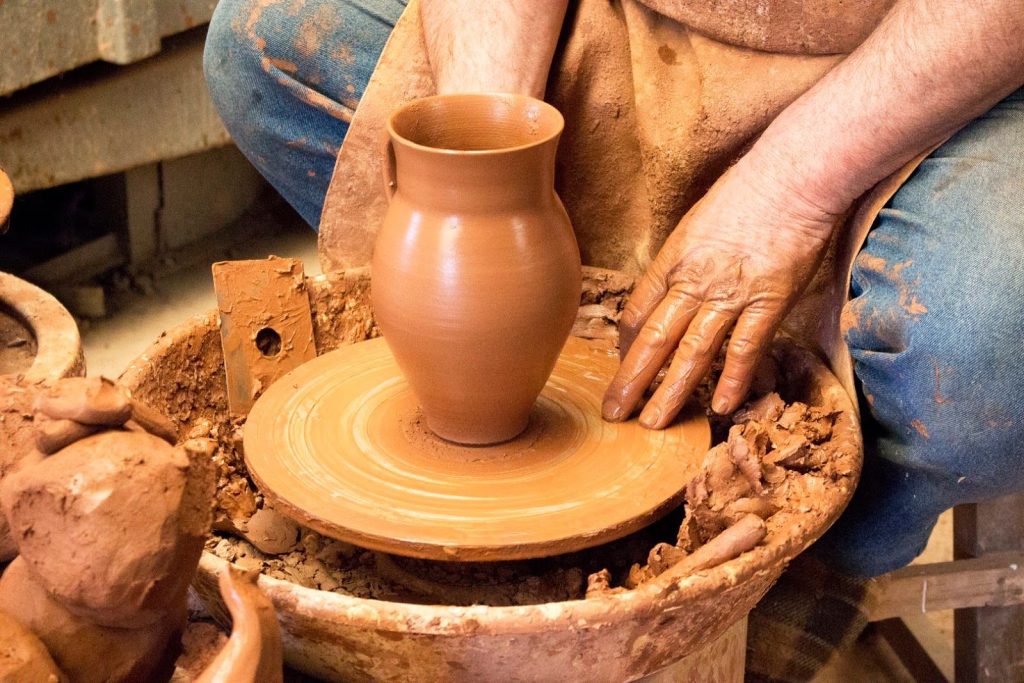
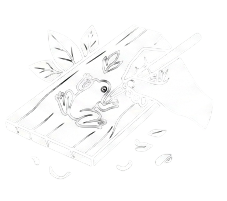
The pottery and ceramics are an artisan art that consists of milling clay or mud to create objects such as pots, plates, pitcher, dyes and decorative figures, and they are then dried and put to cooking to tighten up.
In Panama, this item does not only have a useful function (domestic utensils) but also artistic and cultural, as the pieces reflect the identity, beliefs and creativity of the communities that make them.
IMPORTANCE
The pottery in Panama is important because it preserves the traditions and cultural identity inherited from the pre-Columbian age, reflecting the beliefs, history and forms of life of indigenous peoples. Also, each piece represents an artistic means of expression that connects the past with the present.
Economically, this activity generates income for many families, especially in communities such as La Arena de Chitre. It also promotes tourism as visitors buy crafts as memories.
Origin and History
About 3,000 years ago, the indigenous peoples of the isthma had already been developing ceramics as part of their daily lives.
These pieces were used to store food, cook, rituals and décor.
The pre-Hispanic cultures developed their own styles with geometric designs, zoomorphics (animals) and anthropomorphics (human figures).
During the pre-Columbian period, ceramics had great development in regions such as Azuero, where simple artisan techniques were used.
Region where it stands out the most
The Arena de Chitre (Province of Herrera) is the main pottery centre of Panama. Recognized for its great production of pitchers, maceteros, dines and ornaments.
It was stated in the 80s as one of the most artisan peoples of America. Traditionally, women began this trade and men traded it.
Other items you might be interested in
LIVE
You can watch the fair from your screen on any device from our official Youtube channel
Many thanks to our sponsors.
These brands and companies make our project possible. Your support is the engine that drives us to keep growing.
